



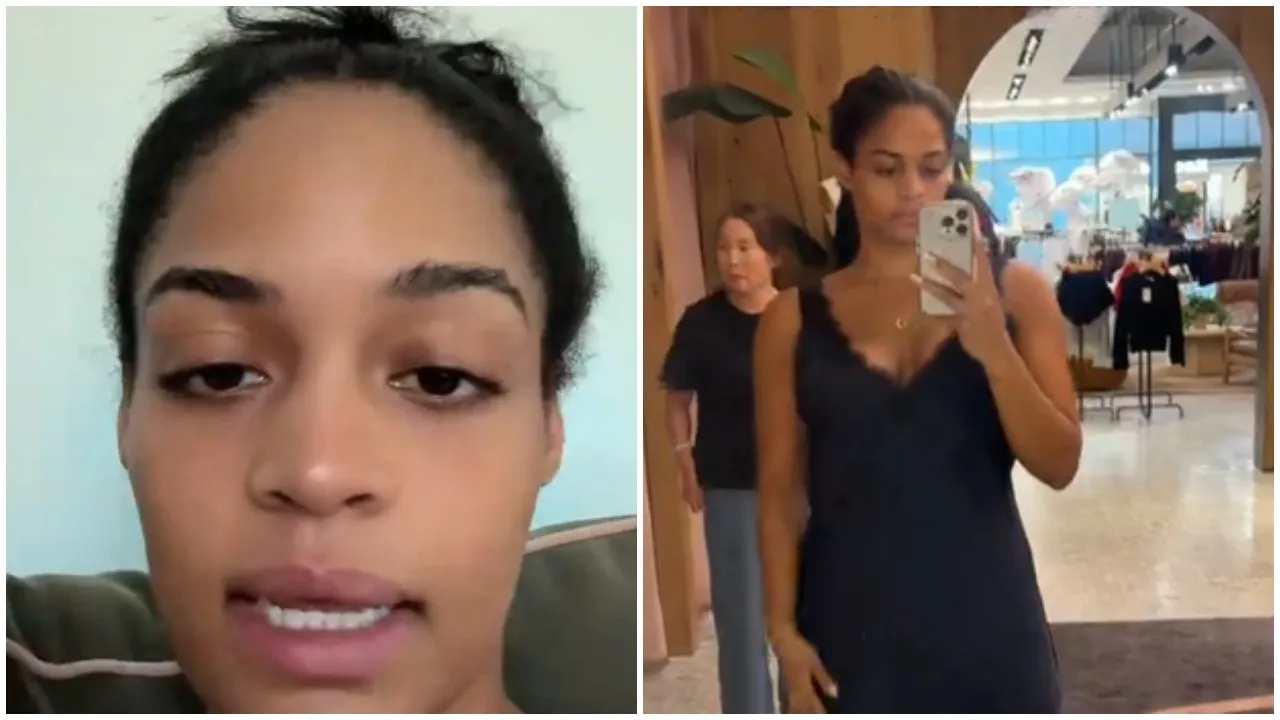
Mariah Medina, a San Antonio criminal defense attorney and former investigative reporter, says a Bexar County judge told her a sleeveless gray shift dress she was wearing was inappropriate for court, according to Daily Mail. Medina shared photos and video of the dress in a post on X, writing that it’s a J.Crew shift dress she’s worn on air and in other courtrooms without issue.
Medina says she explained the dress’s style when the judge, identified as Yolanda Huff, questioned it, but was asked to come around the bench so the judge could see the outfit in front of defendants and other lawyers. “She laughed and asked if I really believed that my dress was appropriate for a jury trial… then asked me if I had a blazer in my car,” Medina wrote. Medina called the exchange “disappointing” and said it was a first for her.
The outlet reached out to Judge Yolanda Huff for comment. A male coworker who witnessed the exchange told Medina he agreed the judge’s conduct was inappropriate and offered to serve as a witness, Medina said. She also said she received messages from sitting Bexar County judges and other defense attorneys backing her account that the dress was fine for court.
What Texas courts actually require attorneys to wear
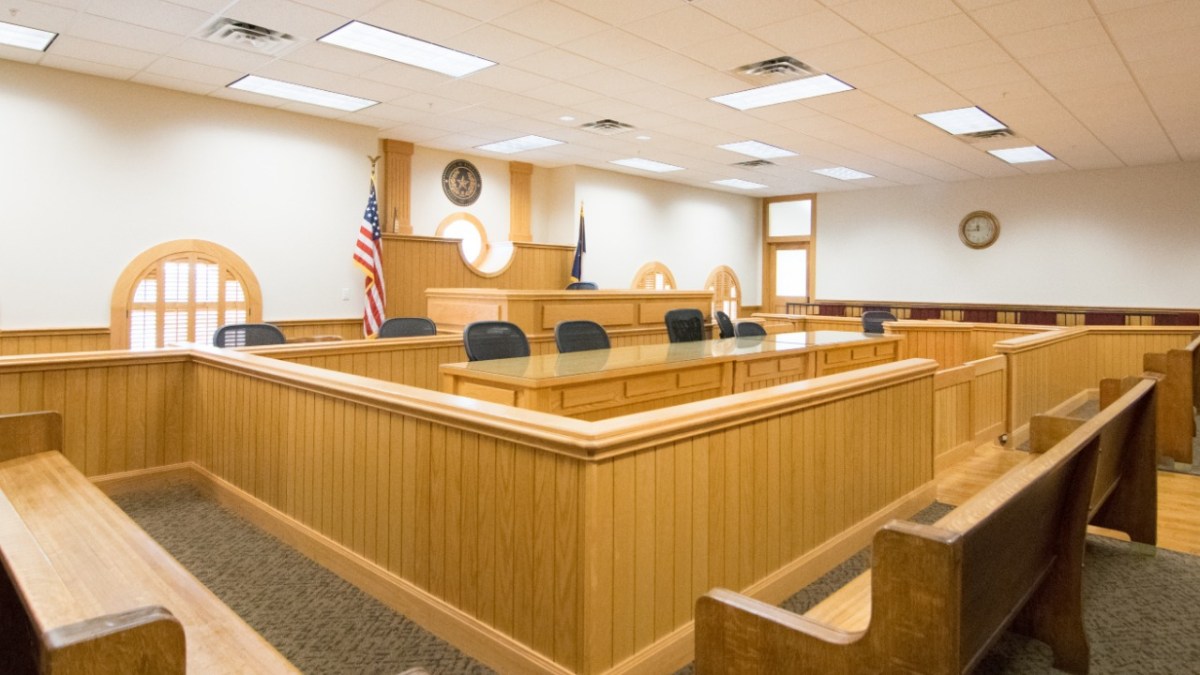
Texas courts don’t have a single statewide dress code for attorneys. Individual counties set their own rules under local administrative authority granted by the Texas Court Administration Act, and judges hold broad, well-established power to enforce courtroom decorum. Bexar County’s own posted courtroom rules require visitors to wear “proper dress attire,” but the public version of those rules doesn’t spell out specifics for attorneys the way some other Texas district courts do.
A Texas Supreme Court-approved local rules order for one Texas district, for instance, specifies that female attorneys “shall be dressed in conservative dress or business attire,” while barring jeans and “sportswear” as inappropriate; whether Bexar County has comparable written language covering attorneys specifically hasn’t been confirmed.
The Texas Bar Journal has noted that both state and federal courts have long-recognized authority to require respectful attire from anyone appearing before them, as part of judges’ broader power to run proceedings smoothly. That authority is typically discussed in the context of visibly informal or casual clothing, such as jeans or sportswear, rather than business-appropriate wear like a suit-material dress.
If Medina or another attorney wanted to formally challenge a judge’s conduct, the path would run through the State Commission on Judicial Conduct, an independent state agency with constitutional authority to investigate judicial misconduct in Texas. Anyone can file a complaint without needing a lawyer, using a sworn, written form; the Commission can dismiss a complaint, sanction a judge, or in serious cases seek removal from the bench, though it can’t overturn a judge’s rulings in the underlying case.
No such complaint has been reported in connection with this incident.









Published: Sep 23, 2026 11:22 am