


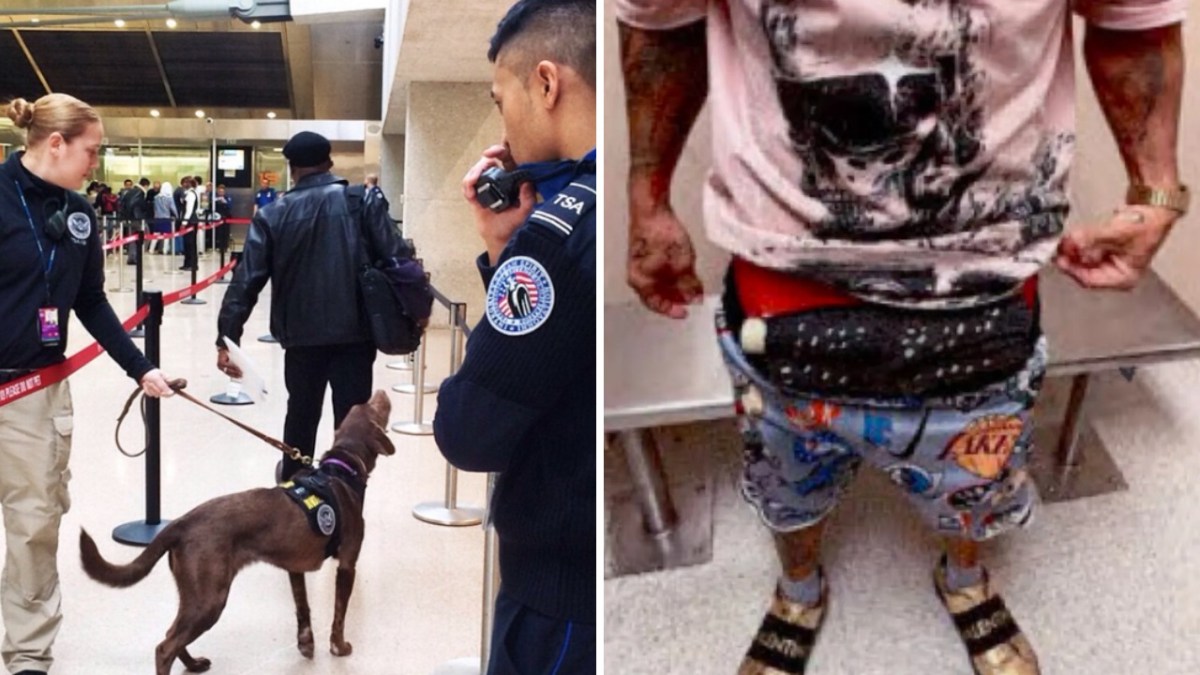

A man arriving from Cuba was allegedly found with 10 live birds hidden in his underwear while passing through Miami International Airport, according to People. The outlet states that a criminal complaint describes Alberto Hernandez Castillo as a legal permanent resident. A Customs and Border Protection officer reportedly pulled him aside for a secondary inspection.
The complaint alleges he declared one carry-on and a fanny pack on a binding declaration. It also says he answered “no” to every question on a customs entry form, including the one about animals or wildlife. He reportedly said the trip was to see relatives. Officers next spotted an “unexplained bulge” near his waist, and the complaint describes him as looking nervous.
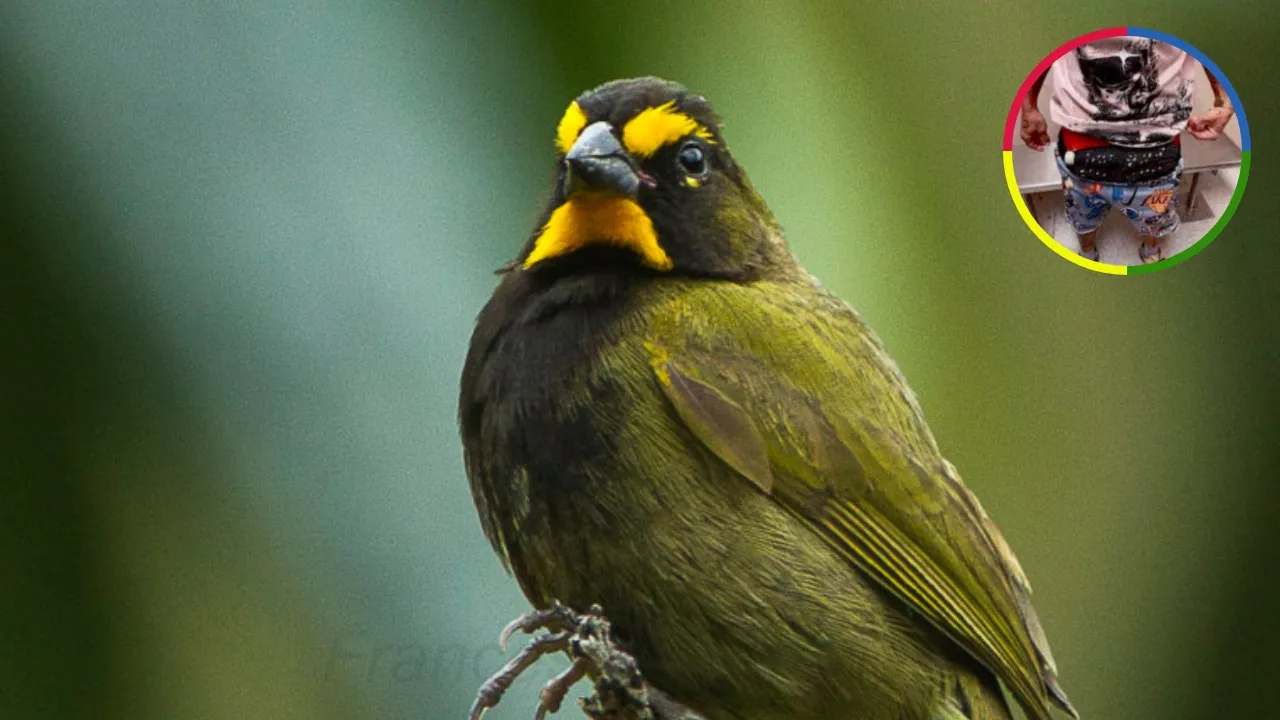
The report states that a pat-down in a secure area turned up six clear plastic tubes wrapped in tape, some with black mesh near the openings. The tubes allegedly sat in dark pockets stitched into his underwear. Inside were two blue grosbeaks, plus eight yellow-faced grassquits. The complaint claims he did not submit the paperwork required to lawfully import wildlife.
Why 10 small birds can become a federal case
He said the animals were for “personal use” before citing his right to stay silent. He faces a smuggling charge. Online records the outlet reviewed show a Miami court appearance followed by release with a $25,000 bond, and his arraignment is scheduled for Oct. 26.
Customs and Border Protection says some wild animals, birds included, can be covered by CITES or by other wildlife protections. The agency adds that certain wildlife is subject to limits, bans, and permit or certificate rules. It recommends contacting the U.S. Fish and Wildlife Service and USDA Veterinary Services before bringing wild animals into the country.
The agency’s pet bird checklist points travelers to the same offices. It also asks whether the bird needs a CBP inspection and whether health paperwork or an import permit is needed. The agency also notes that certain pet birds fall under poultry rules, which carry their own requirements. Pets denied entry go back to the departure country, with the owner covering the cost.
On the criminal side, a federal statute on smuggling goods, 18 U.S.C. 545, covers two situations: smuggling merchandise into the country to cheat the federal government, and knowingly bringing in goods that the law bars. Either offense carries a fine, up to 20 years in prison, or both. A complaint contains allegations that a court has yet to decide.
The Transportation Security Administration says travelers with a pet should take the animal out of its carrier. The empty carrier is then run through the X-ray scanner. TSA adds that carriers get a visual or physical inspection. Checkpoint searches have drawn questions before, including one TSA bag check in which a traveler’s journal was paged through.








Published: Oct 8, 2026 12:40 pm