


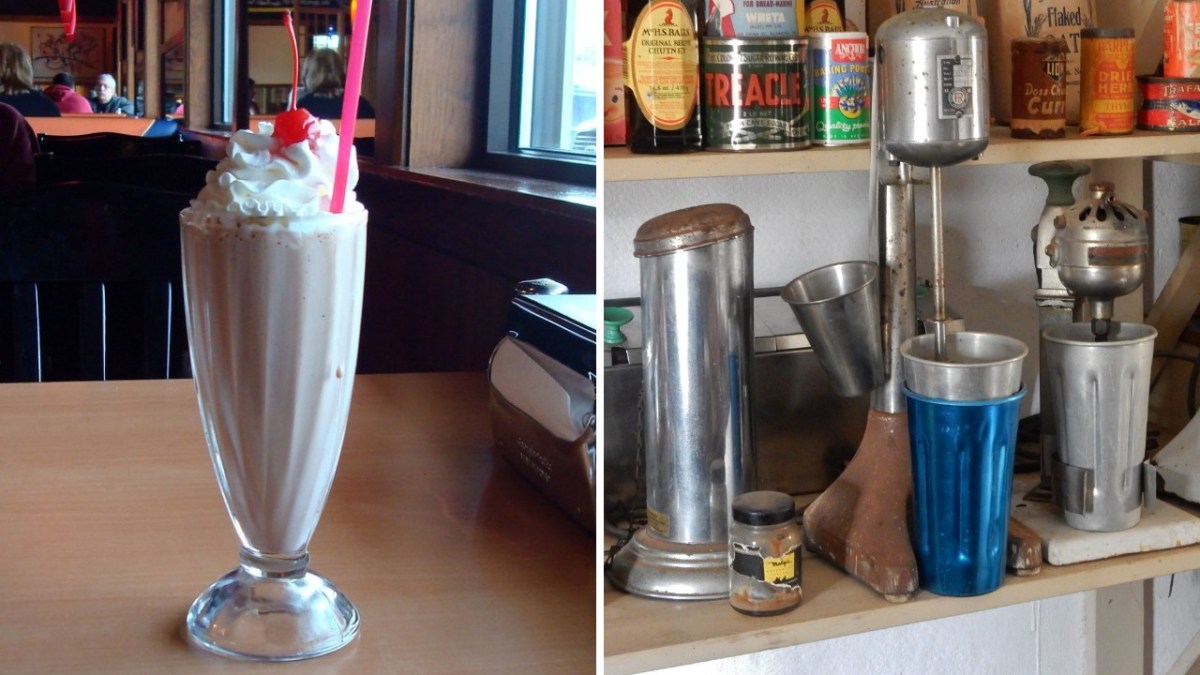

A 12-year-old girl with a hazelnut allergy died after drinking a milkshake, and CCTV evidence shows the blender hadn’t been washed before cafe operator Baris Yucel made her drink. According to People, Mia Shay St Hilaire went to the Pop Inn Cafe in Bermondsey, London, with an aunt and a sister.
An inquest at Inner South London Coroner’s Court found on Thursday, Oct. 8, that hazelnut left in the blender from an earlier milkshake carried over into Mia’s drink. Assistant coroner Briony Ballard determined that Mia’s reaction worsened quickly and that she collapsed at her aunt’s home. Despite emergency treatment and a transfer to intensive care at Evelina London Children’s Hospital, Mia died on Aug. 30, 2023.
Southwark Council prosecuted the cafe, and Yucel admitted six offences. They included failing to make allergen advice available to customers, letting contamination spread while food was prepared, and selling a dish containing an allergen it should not have held. A court ordered him to pay £18,000 and complete 100 hours of community work. His lawyer said the sentencing judge viewed his remorse as genuine.
Allergy rules differ by country
Mia’s parents, Adrian St Hilaire and Chanel Spence, and their lawyer, Michelle Victor, want the Food Standards Agency to review how the UK handles food allergy safety. The family is asking for a distinct allergy rating, shown beside the food hygiene score. The parents argue that hygiene scores say nothing about how a business manages allergens. They added: “No family should ever have to lose a child in these circumstances.”
In the United States, federal allergy law centers on packaged food labels. The Food and Drug Administration (FDA) recognizes nine major allergens, including tree nuts, with sesame added as the ninth. Those labeling rules do not cover most restaurant food that arrives without a package, or food placed in a container after a customer orders it.
Restaurant practices come mainly from the FDA Food Code, a model that state and local governments adopt on their own terms rather than a federal law. A recent edition requires a restaurant’s person in charge to know the major allergens and reaction symptoms and to make sure employees receive allergy training.
An FDA study also tested cleaning on surfaces contaminated with peanut, milk and egg foods. It found that a full wash, rinse, sanitize and air-dry cycle, the method the code recommends, removed allergens and limited their spread. Food safety risks for young people go beyond allergies, as students eating dangerously hot peppers have shown.
Some states go further. Massachusetts has long required allergen awareness training, along with posters, menu notices urging customers to tell servers about allergies, and a trained certified manager at each establishment. California became the first state to require restaurants with 20 or more locations to list major allergens on menus after Gov. Gavin Newsom signed a law.



Published: Oct 12, 2026 01:27 pm