


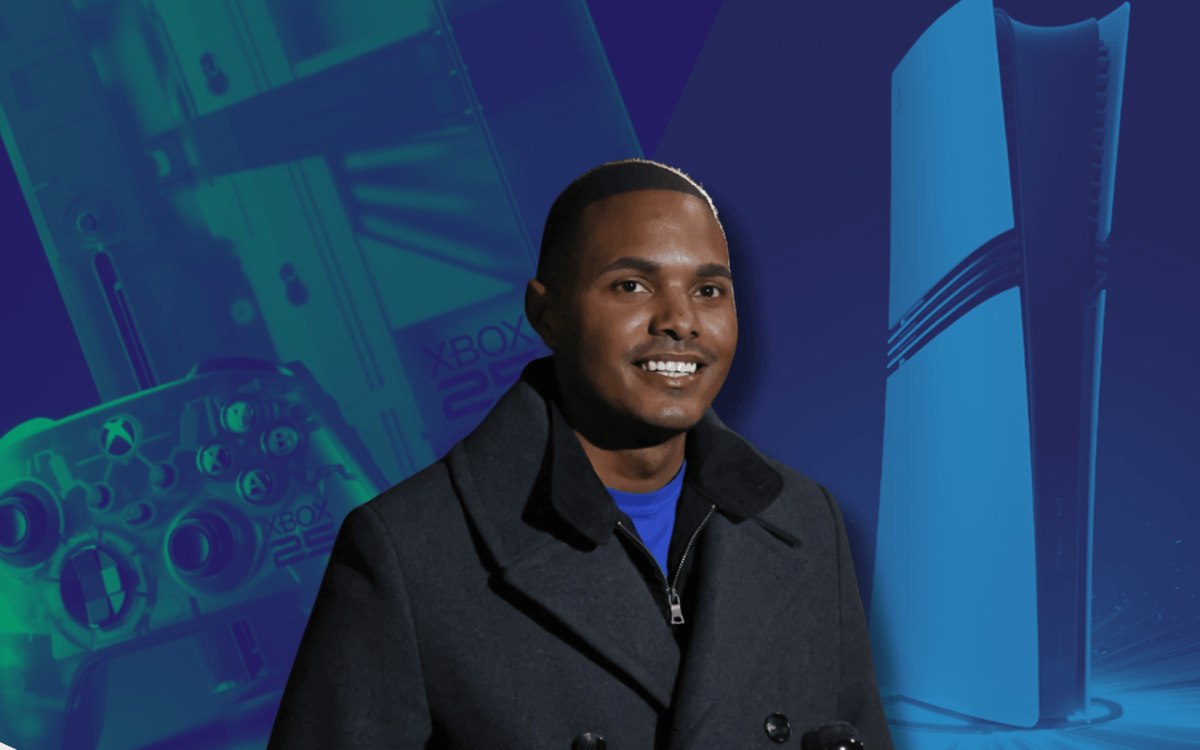

Should gamers still remain comfortable not owning their games? According to Rep. Ritchie Torres (D-NY), his new “Power to the Players Act” might bring an end to this extensive discussion surrounding the terms “purchase” and “ownership” – at least in the video game sphere.
The legislation, known for now as the “Power to the Players Act,” will direct the FTC to establish and enforce rules revolving around the following:
- Buying a video game is counted as ownership, not a license
- Measures that would protect a consumer’s ability to own and play games
- Games with online mode that would shut down soon should offer an offline mode
While there is no formal text surrounding “Power to the Players Act” yet, it did come at a time when publishers are making more active strides to replace physical games with digital-only experiences. This also coincided with ongoing debates whether purchasing games meant actual ownership or merely buying a revocable license.
A “rental disguised as a sale”
Torres’ statement cited NBA 2K25 as a specific example. The basketball title hit retail shelves for $69.99 with an All-Star Edition for $99.99, yet it’s already slated to be delisted from digital storefronts on October 30, 2026. Soon after, its online servers will officially shut down on December 31, 2026.
This means that by January 1, 2027, it would only have taken two years until NBA 2K25 officially shut down, leaving its owners with no game to play. The statement said no consumer should pay full price for a game that its publisher could “pull out from under them” based on an “arbitrary timeline.”
“A game that can be taken away the moment a company pulls the plug is not a purchase. It is a rental disguised as a sale,” Torres said in the statement. He added that consumers must have the right to own, play, and transfer the games they buy.
Beyond Power to the Players
The legislation announcement came around the time gamers started to push for more regulatory action about the digital games they purchase.
Chief among these efforts was the Stop Killing Games campaign, which was started by YouTuber Ross Scott in 2024 and gathered over 1.4 million signatures. The European petition managed to reach the European Commission, but the latter ultimately decided against proposing a “legal obligation” that required publishers to keep their games playable even after ending support for them.
In the official response, the European Commission said the request “would not be proportionate,” citing it puts publishers at risk regarding costs, cybersecurity and safety, confidential business information, and IP rights. However, the Commission also said it will open dialogue with video game industry representatives (consumers and publishers) on an “industry code of conduct” about the end-of-life cycle of games.
A similar initiative was made in California named AB 1921 or the “Protect Our Games Act.” The legislation aims to ensure publishers can provide a playable version of online games before they are fully shut down. While it passed the State Assembly, it did not pass a vote in the California Senate. Its campaigners said they will try again in 2027.
Beyond just words
Merriam-Webster defines “purchase” as “to obtain by paying money or its equivalent.” But it seems in gaming parlance, “purchase” remains a point of contention between companies and fans.
One recent instance was in August 2026, when Sony filed its motion to dismiss a California class action lawsuit regarding the subject of digital ownership last June.
The lawsuit had four customers allege Sony did not properly disclose this information (that purchase didn’t necessarily mean ownership), and thus violated California law AB 2426.
This 2024 law enhances consumer protection from false advertising, specifically with digital goods, where sellers now have to “state in plain language” that purchasing their digital good grants a license instead of ownership.
Ahead of the bill’s enactment into law, Steam had started including disclaimers that purchases in the platform mean owning the license, not the game itself. Soon, someone sued GameStop and alleged they violated this ruling, noting that the store page for Pokemon Legends: Arceus didn’t include any information about “purchase” being a license, not actual ownership.
In terms of the class action filed against Sony, the Japan-based tech giant argued in its motion to dismiss that “reasonable consumers” would “have seen the [PlayStation] terms of service” and thus would not be misled into believing they actually owned the digital games they purchased.
Around the same time, Sony also emailed PlayStation users with its entire Terms of Service. This would have seemed like a usual compliance email had it not been for the reminder that buying PlayStation digital games meant buying a “license” and not necessarily “ownership.”
For some, Sony sending this email was legal positioning, especially being sent before a week-long protest on Sony going fully discless.
The end of a (physical) era
In July, Sony announced it will kill physical discs for PlayStation games, with titles releasing January 2028 onwards to come with download codes in retail boxes instead. Gamers did not take kindly to the announcement, with some creators like @DoesItPlay1 on X organizing a week-long #PSBlackout between August 23 and August 30, 2026.
Sony’s shift to full discless was a shocker for fans who remembered a viral 2013 PlayStation video, where former PlayStation execs Adam Boyes and Shuhei Yoshida gave a quick instructional on sharing used games. “Share,” in this case, simply meant passing the disc to the next player.
This viral video was a reaction to Microsoft’s initial move to impose restrictions on sharing pre-owned titles and online-only gameplay, which it reserved after backlash.
And now in a big twist, Xbox leaned away from the fold. Around the midweek of the #PSBlackout, Xbox revealed a new disc-to-digital initiative. Soon, players who insert an Xbox Series X or Xbox One disc into a console will now claim the digital version free of charge.
“This is an important step toward a future where players can have greater confidence that the games they buy remain with them for years to come,” Xbox said in the announcement.
Meanwhile, Nintendo already made a move to focus on digital during the Switch 2 launch in June 2025, courtesy of “game-key cards.” Unlike standard game cards, these alternate cards contained an “access code” that will prompt the system to download the full game.
Gamers are definitely not getting comfortable
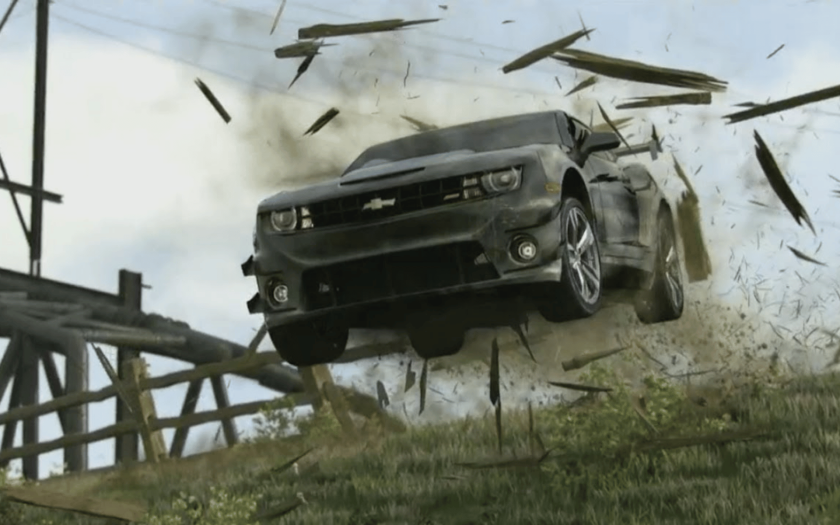
The discussion surrounding digital game ownership intensified in 2023 when Ubisoft delisted The Crew from all storefronts, before eventually shutting down its servers in 2024. Months after the delisting, Ubisoft caught itself in one of its most controversial statements.
“It’s about feeling comfortable with not owning your game.”
This was Phillippe Tremblay, Ubisoft’s director of subscriptions, in an interview with GI.biz.
Granted, the quote was part of a larger discussion on games possibly adopting subscription models. Tremblay compared the shift to how customers slowly transitioned away from physical CDs and VCDs and towards streaming services like Spotify and Netflix.
Fans actually filed a class action against Ubisoft regarding this, alleging that Ubisoft misled consumers who purchased The Crew into believing they owned the game, when in fact they just received the equivalent of a limited-time license. Ubisoft eventually agreed to a $2-million settlement without admitting any wrongdoing, with a final approval hearing set for November 2026.
This statement, as well as The Crew shutdown, sent the discussion on game ownership to a more mainstream level. With backlash against The Crew delisting, gamers started the “Stop Killing Games” campaign, eventually leading to Rep. Torres pushing for “Power to the Players.”
Frequently Asked Questions about Power to the Players Act
Has the Power to the Players Act passed?
No. Torres announced it on October 15, 2026 but hasn’t formally introduced it. So there’s no bill number, text, or cosponsor list yet.
What is Stop Killing Games?
It’s a campaign started by YouTuber Ross Scott after Ubisoft suddenly shut down The Crew in 2024. The idea is that games should stay playable after support ends. Sadly, the EU declined to legislate it in June 2026 and a California bill is stalled in committee.






Published: Oct 20, 2026 07:42 am