


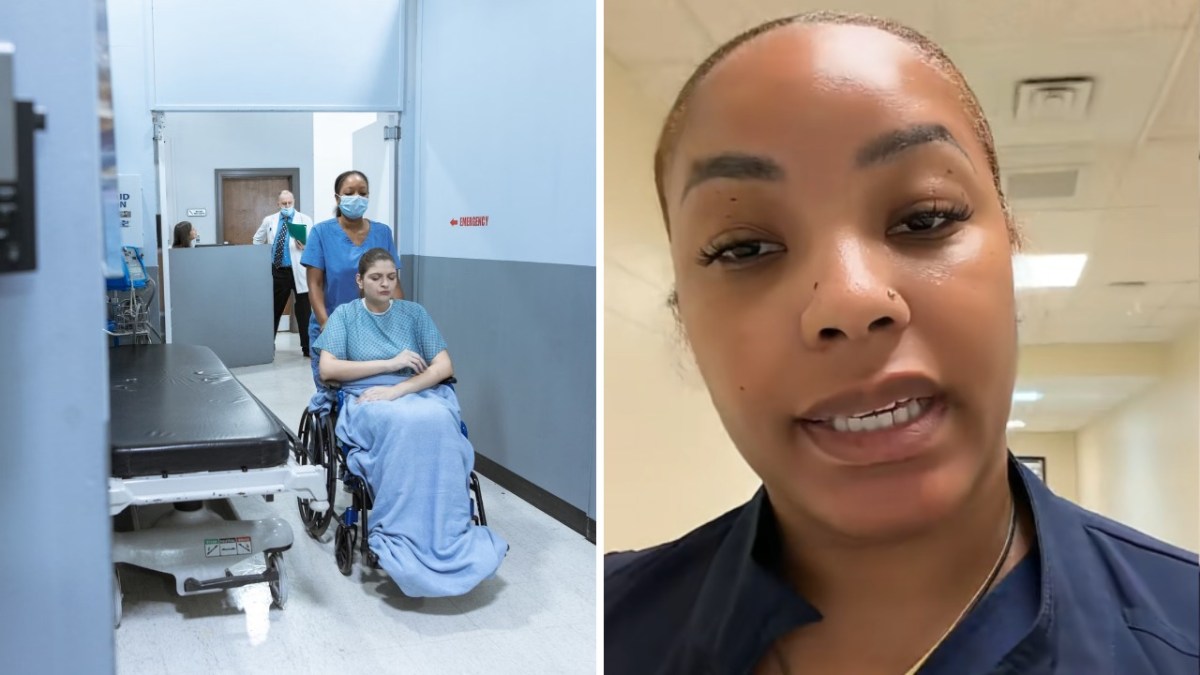

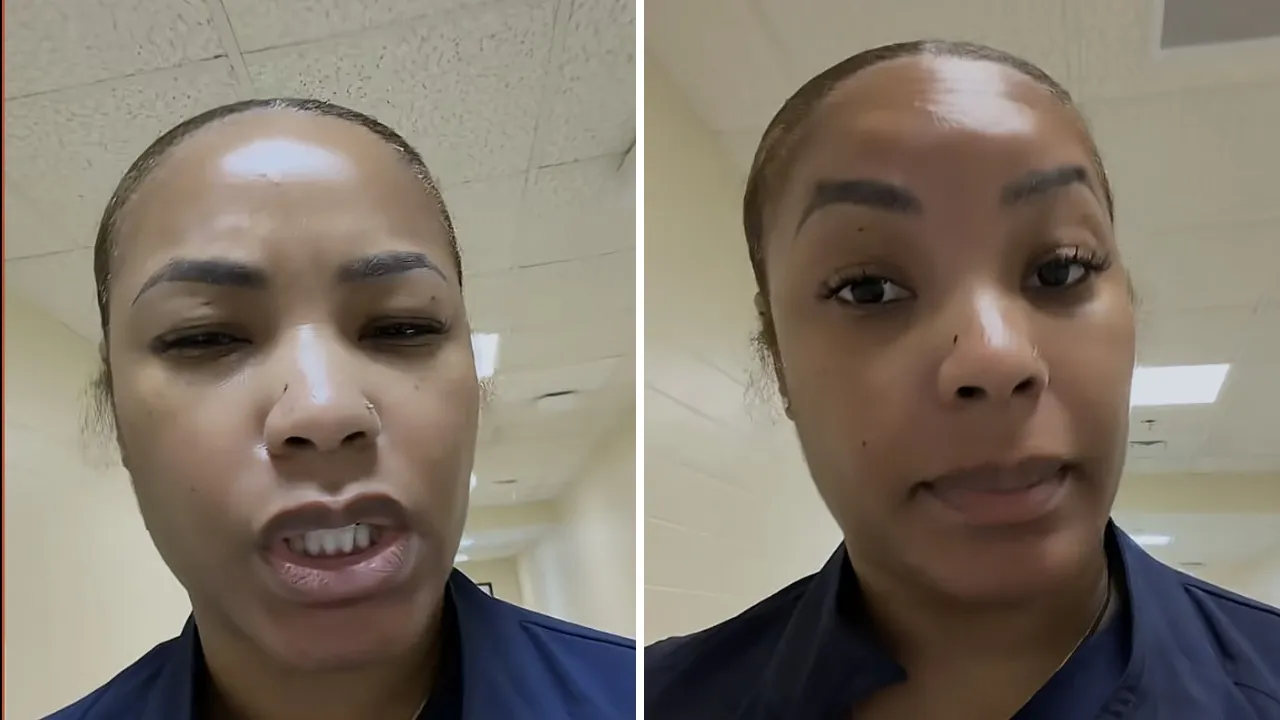
A Georgia nurse says a patient kept pressing her about where she was really from after she said she was born in the state. According to The Nerd Stash, the nurse, who goes by Alisha and posts on TikTok as @therealrnbarbie, shared a video describing the exchange. The report does not name the patient.
Alisha says the patient asked where she was from, and she answered Georgia. She says the patient then asked where she was originally from, followed by “No, like how did you get here?” Alisha says she replied that her mother gave birth to her at South Fulton Hospital.
The patient then asked once more whether she was born in Georgia. Alisha says she answered “Yes, ma’am.” She ended the video by saying “There is still racism alive because we originate from everywhere, ma’am.” It is not known how the patient would describe the exchange.
How federal law treats workplace harassment
Federal law covers some workplace conduct of this kind. The Equal Employment Opportunity Commission says it is unlawful to harass a person because of race or color. It lists offensive or derogatory remarks about a person’s race among the examples. The agency also says the harasser can be someone who is not an employee, such as a client or customer.
The same guidance sets limits. The EEOC says the law does not prohibit minor teasing, passing remarks or isolated incidents that are not very serious. Conduct becomes unlawful when it is frequent or severe enough to create a hostile or offensive work environment. It also becomes unlawful when it leads to an adverse decision such as a firing or demotion. Whether a single exchange meets that standard depends on the facts.
Title VII of the Civil Rights Act of 1964 is the law behind those rules, according to the agency’s harassment guidance. The agency adds that an employer can be liable for harassment by non-employees it has control over, such as customers on the premises. That applies if the employer knew or should have known and did not take prompt corrective action.
There are filing deadlines. The EEOC says a charge generally must be filed within 180 calendar days of the discrimination. That deadline extends to 300 days if a state or local agency enforces a law against discrimination on the same basis. The agency lists the rules on its time limits page.
Professional standards also speak to workplace conduct. The American Nurses Association’s Code of Ethics for Nurses describes an environment of civility and kindness in which all people are treated with dignity and respect. It also says unsafe or inappropriate practices must be corrected. That provision addresses the work setting and does not name patient conduct specifically.
The EEOC’s complaint process also featured when a pastry worker cited harassment in a resignation email.









Published: Oct 12, 2026 11:37 pm